
With COVID-19 sparking conversations all across the world as we search for a way to control the pandemic, our communities have reached out looking for answers to their questions.
If you missed our original article on What You Need to Know About COVID-19, we invite you to check it out.
Otherwise, take a look at what our health experts have to say to our most common questions about COVID-19.
1. Is COVID-19 Dangerous?
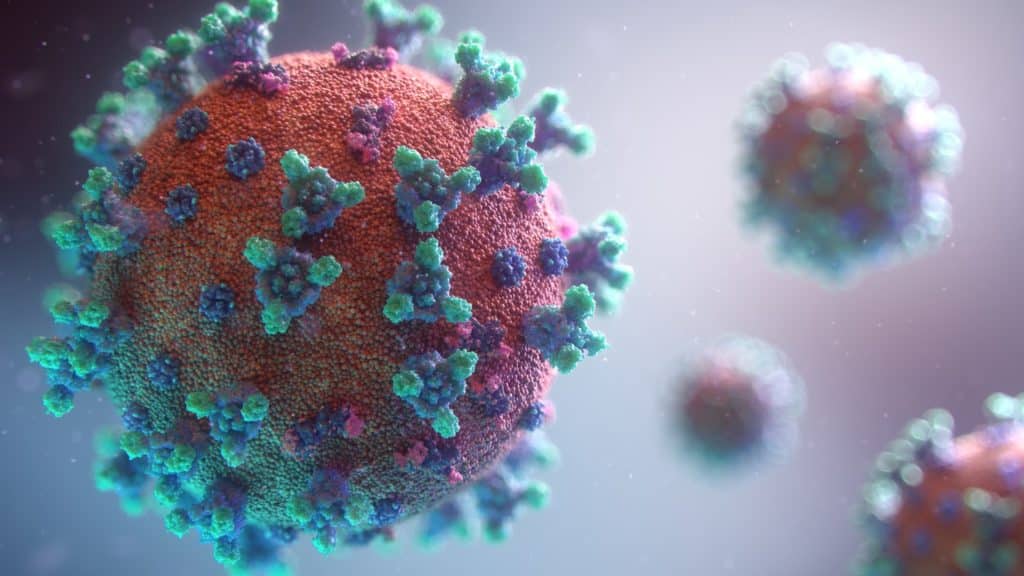
The good news is that with COVID-19, the majority of cases are minor in nature.
However, more severe cases are being seen in those over the age of 65 and those with
pre-existing health conditions that can affect their immune system such as high blood pressure, lung disease, heart disease, cancer, or diabetes.
2. What is the risk my child will get sick from COVID-19? Are they at serious harm if they do get sick?
According to the Centers for Disease Control and Prevention (CDC), children don’t appear to be at any higher risk of getting COVID-19 than adults from what we know about the disease as it stands.
In children who have gotten COVID-19, symptoms appear to be minor as well (e.g. cold-like symptoms such as fever, cough, and runny nose).
3. I cannot find any hand sanitizers, what should I use to stay protected?
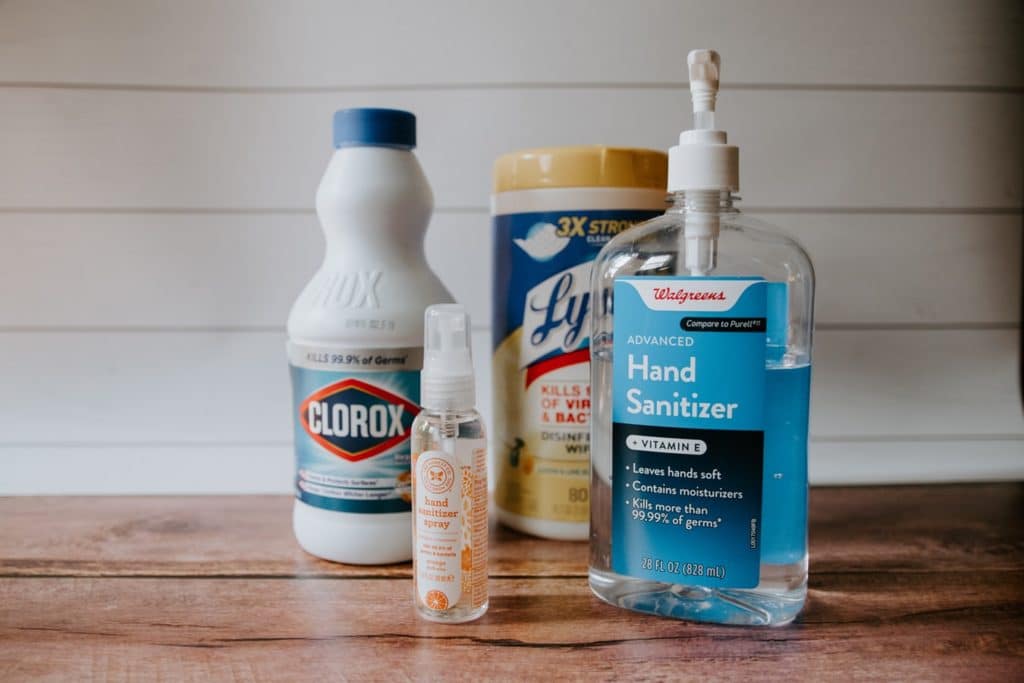
Though hand sanitizers with at least 60% alcohol may be a good option in some cases, washing your hands thoroughly with soap is one of the most effective ways of protecting yourself against COVID-19, especially if your hands are visibly dirty.
However, the key to this effectiveness is washing them properly. Here’s how you should wash your hands to reduce your risks, according to the Centers for Disease Control and Prevention (CDC):
1. Wet your hands with clean, running water (warm or cold), turn off the tap, and apply soap.
2. Lather your hands by rubbing them together with the soap. Lather the backs of your hands, between your fingers, and under your nails.
3. Scrub your hands for at least 20 seconds.
4. Rinse your hands well under clean, running water.
5. Dry your hands using a clean towel or air dry them.
4. What type of disinfectants should I use to clean contaminated surfaces?
As it stands right now, there are no specific disinfectants that have been tested against the virus causing COVID-19. This is because the virus is novel, and researchers are still continuing to study it.
From what we know about the virus, surface disinfectants that have antiviral properties should be effective against it when used properly. Use products that carry a Drug Identification Number (DIN) which confirms they are approved for use in Canada.
However, with COVID-19 teaching a pandemic state, many of these products are being allocated towards health care settings and hospitals, and so you may not be able to find this in stores.
And so, if you’re not able to find these products, you can also make your own disinfectant product at home using 100 ml of unscented household bleach per 900 ml of water or with alcohol solutions with at least 70% alcohol.
Clean frequently touched surfaces such as tables, counters, doorknobs, keyboards, phones, light switches, handles, toilets, faucets, and sinks at least twice per day.
5. Are antibiotics effective against COVID-19?
The cause of COVID-19 is through the coronavirus SARS-CoV-2. Antibiotics work against bacteria, and not viruses, and so they won’t be effective against COVID-19.
On top of this, there are no medications or natural health products that can treat COVID-19, but research is ongoing to learn more about the virus and COVID-19 to find a way for us to treat it and prevent it.
6. I got my flu shot this year, and so am I protected against COVID-19?
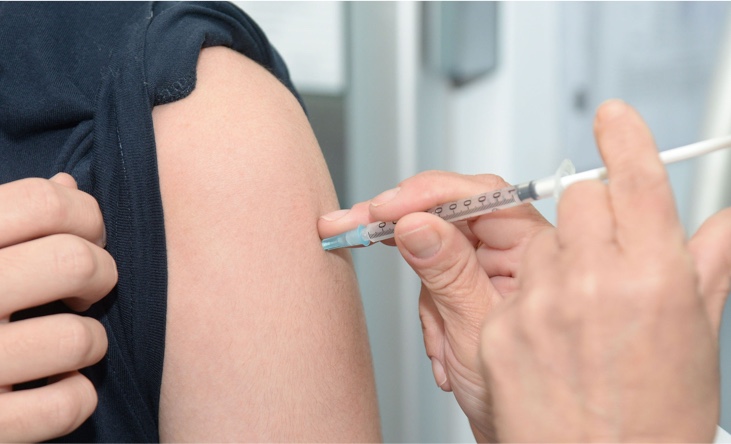 The flu shot protects you against the most common strains of the influenza virus that cause the flu, but does not offer you any protection against the coronavirus that causes COVID-19. At this time, there are no vaccines, medications or natural health products that can prevent COVID-19, but researchers are looking to see how we can develop one.
With that being said, though vaccines that protect you against things like influenza and pneumonia can’t protect you against COVID-19, they will certainly reduce your risk of these other respiratory illnesses.
We recommend that you contact your local Mint Health+Drugs to find out if you can benefit from any other vaccinations to keep you healthy.
7. Is COVID-19 similar to SARS?
Although both viruses that cause COVID-19 and SARS are coronaviruses, a large family of viruses that can impact humans and animals, both of these conditions are very different, and the viruses that cause also share distinct features from one another.
8. Should I wear a face mask?
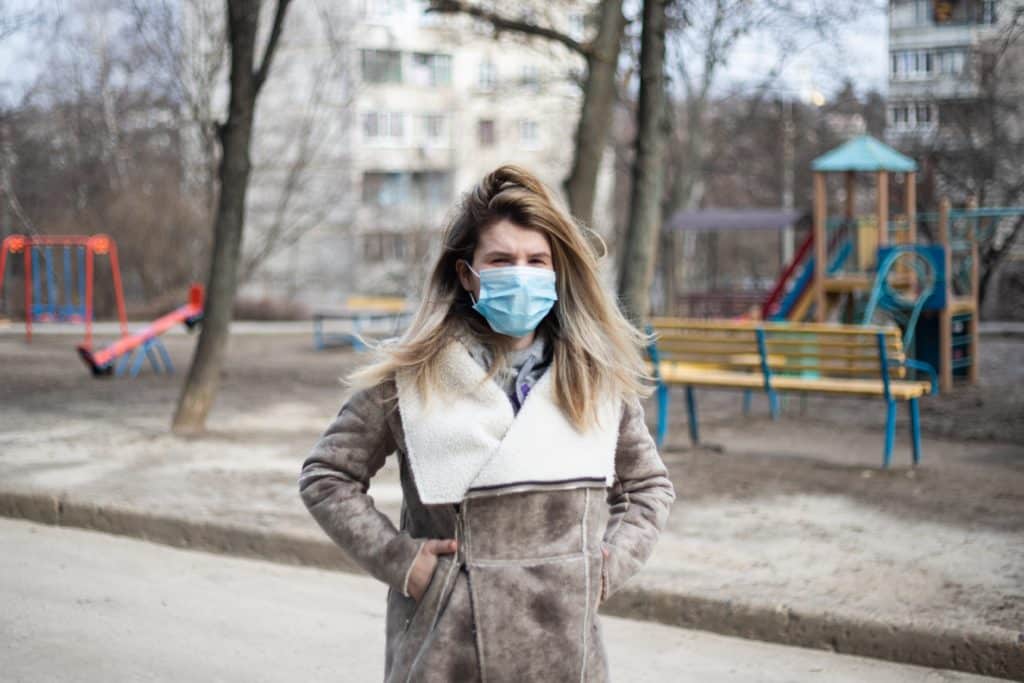
Currently, CDC recommends that only those who are feeling sick with symptoms of COVID-19 or those that are caring for someone who may have COVID-19 should wear a mask. Though masks can be effective in these cases, it’s imperative you continue to use proper hand-washing regimens using soap and water for at least 20 seconds or with hand sanitizers with at least 60% alcohol.
9. Can COVID-19 be spread through people who are infected that don’t have any symptoms?
From what we know about COVID-19, it seems to be mainly spreading through those that are infected and have symptoms. That being said, researchers are still continuing to look for other ways the virus can spread, but believe that transmission from people who don’t have symptoms is rare.
10. What should I do if I think I have COVID-19?
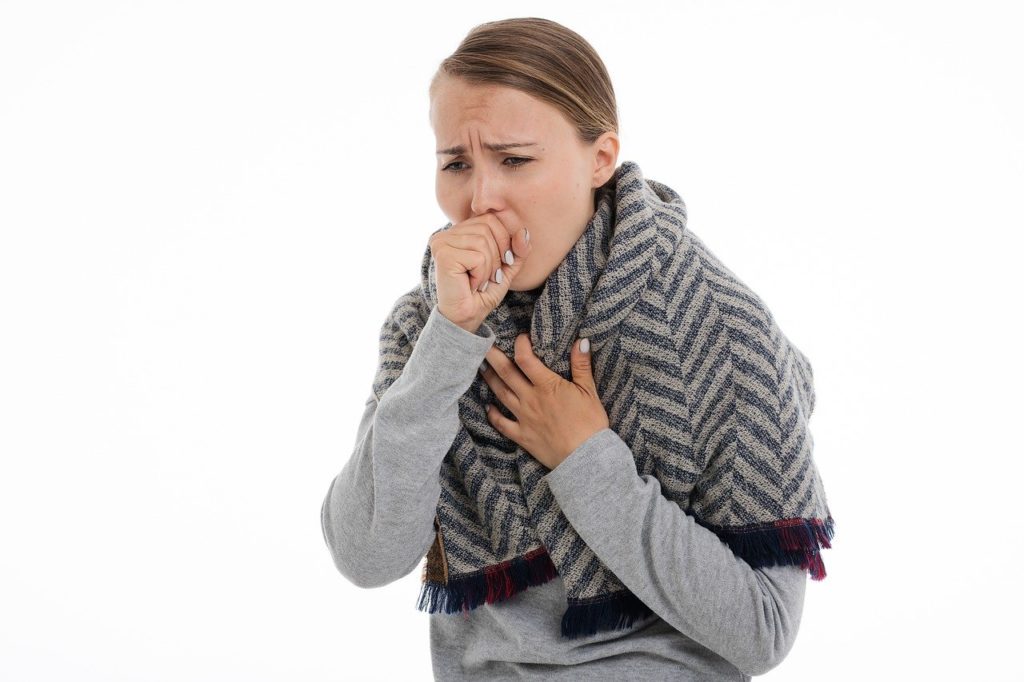 If you have symptoms such as cough, fever, and difficulty breathing and are worried that you may have COVID-19, stay home, separate yourself from others in your house and contact Health Link 811 (Alberta) or your healthcare provider for further direction.
If your symptoms are more severe and you are severely ill, contact 911 and let the dispatcher know about your concern, symptoms and whether you’ve recently travelled or have come into contact with anyone that’s travelled.
Do not go into your healthcare provider’s office or a healthcare facility without contacting Health Link 811 or your healthcare provider first.
11. How should I stock up on essentials?
Though we recommend stocking up on your prescription medications, and non-perishable foods (e.g. canned soups and vegetables, rice, and dried pasta) and household essentials such as toilet paper, and hygiene products, it’s critical that you avoid panic buying.
We understand that when people are scared of the unknown and see others panicking, it’s normal to panic too. What happens in scenarios like COVID-19 is that many infrastructures are not prepared and become overwhelmed when people start purchasing excessive amounts of these items. This leads to shortages that everyone ends up suffering from.
And so, we recommend that you stock up on enough supplies to ensure you do not need to leave your home in the event you need to self-isolate yourself.
12. What if I run out of medications, and can’t see my doctor because I have to self-isolate?
We understand that these can be unpredictable and stressful, especially amidst the COVID-19 situation. At Mint, we ensure all of our pharmacies have a prescribing pharmacist that can help you in times like this. Contact your local Mint Health+Drugs and let us know how we can assist.
We hope that you found this helpful in answering some of your questions, but know that questions will continue to come up as we learn more about COVID-19.
Our family is always here to care for yours. Please don’t hesitate to contact your local Mint Health+Drugs to speak with one of our health experts if you have any other questions or concerns.

References:
1. https://www.cdc.gov/healthywater/hygiene/hand/handwashing.html
2. https://www.canada.ca/en/public-health/services/diseases/2019-novel-coronavirus-infection.html
3. https://www.albertahealthservices.ca/assets/info/ppih/if-ppih-covid-19-environmental-cleaning-public-facilities.pdf
4. https://www.cdc.gov/coronavirus/2019-ncov/prepare/children-faq.html?CDC_AA_refVal=https%3A%2F%2Fwww.cdc.gov%2Fcoronavirus%2F2019-ncov%2Fspecific-groups%2Fchildren-faq.html
5. https://www.cdc.gov/coronavirus/2019-ncov/prepare/prevention.html
6. https://www.publichealthontario.ca/-/media/documents/ncov/factsheet-covid-19-environmental-cleaning.pdf?la=en
7. https://www.who.int/emergencies/diseases/novel-coronavirus-2019/advice-for-public/when-and-how-to-use-masks
8. https://www.canada.ca/en/public-health/services/diseases/2019-novel-coronavirus-infection/being-prepared.html